
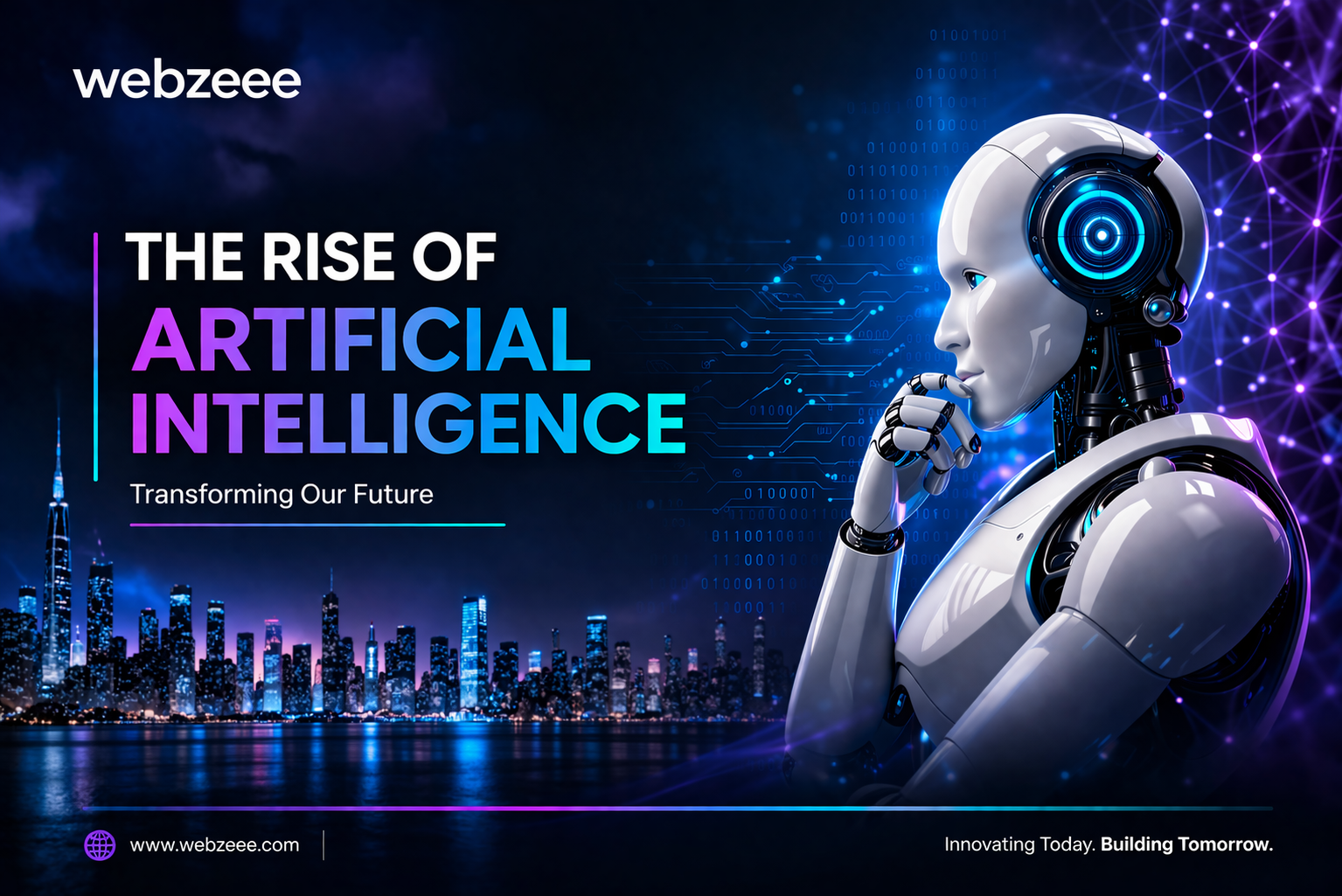
What is Artificial Intelligence?
Artificial Intelligence refers to the ability of machines to perform tasks that typically require human intelligence. These tasks include learning, reasoning, problem-solving, and decision-making. AI systems use data, algorithms, and computational power to mimic human behavior and improve over time.
Key Applications of AI
AI is being used across various sectors, including:
- Healthcare: AI helps doctors diagnose diseases, analyze medical images, and develop personalized treatments.
- Finance: Fraud detection, risk analysis, and automated trading are powered by AI systems.
- E-commerce: Platforms recommend products based on user behavior and preferences.
- Education: AI enables personalized learning experiences and smart tutoring systems.
- Transportation: Self-driving cars and traffic management systems rely heavily on AI.
Benefits of AI
- Increased efficiency and automation
- Improved accuracy and reduced human error
- Faster decision-making
- Enhanced customer experience
- Ability to process large volumes of data
Challenges and Concerns
Despite its advantages, AI also brings certain challenges:
- Job displacement due to automation
- Data privacy and security issues
- Bias in AI algorithms
- High development and implementation costs
The Future of AI
The future of AI looks promising, with advancements in machine learning, natural language processing, and robotics. AI is expected to play a crucial role in solving global challenges such as climate change, healthcare accessibility, and resource management.
Conclusion
Artificial Intelligence is revolutionizing the world at an unprecedented pace. While it offers numerous benefits, it is essential to address its challenges responsibly. By balancing innovation with ethical considerations, AI can become a powerful tool for a better and smarter future.